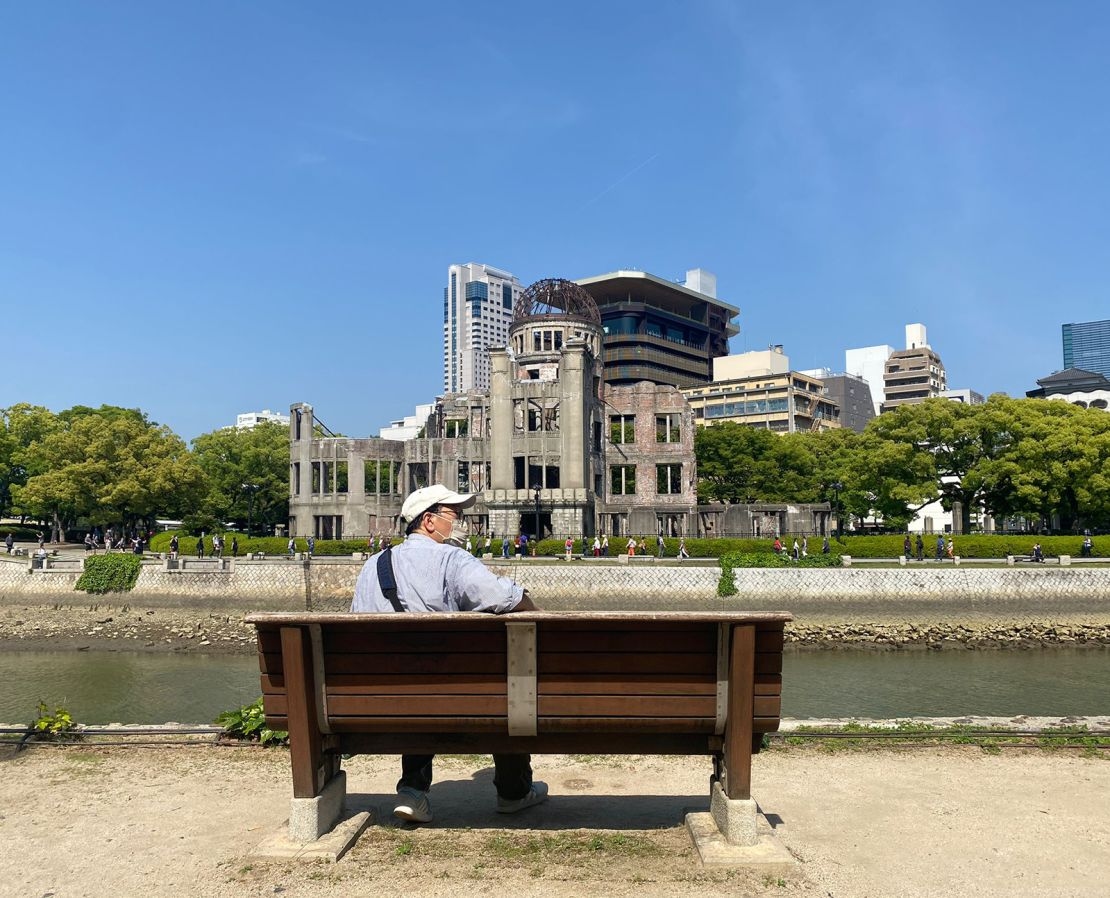
August 6, 2025, marks the 80th anniversary of the atomic bombing of Hiroshima, one of the most tragic events in modern history. On this day in 1945, the United States dropped a uranium-based atomic bomb, nicknamed “Little Boy,” killing over 70,000 people instantly, with total deaths exceeding 140,000 due to radiation and injuries.
The bomb was followed by a second attack on Nagasaki three days later, leading to Japan’s surrender and the end of World War II.
Global Commemoration and Reflection
Commemorative events were held around the world, led by a major gathering at the Hiroshima Peace Memorial Park. Survivors (hibakusha), dignitaries, and peace activists called for global nuclear disarmament, renewed commitment to diplomacy, and responsible leadership.
Countries such as Germany, India, Australia, and Canada also hosted observances, amplifying the collective voice against nuclear proliferation.
Modern Relevance
This year’s anniversary takes on particular urgency as the world grapples with a renewed nuclear arms race. The Russia–Ukraine conflict, tensions in the Taiwan Strait, and ambiguous U.S.–China nuclear posturing have all contributed to elevated global anxiety.
The Treaty on the Prohibition of Nuclear Weapons (TPNW), adopted in 2017 and ratified by over 70 countries, continues to be a focal point for disarmament advocates. However, major nuclear powers remain outside its purview, limiting its impact.
Voices of the Survivors
A notable shift this year has been the prominent voices of hibakusha, many of whom are sharing their testimonies for the first time. Their stories provide powerful moral imperatives that resonate across generations, particularly as global security dialogues increasingly prioritise deterrence over disarmament.
Disarmament or Deterrence?
The world today faces a paradox. While the memory of Hiroshima urges disarmament, rising geopolitical instability fuels further weapons development. Nations like North Korea continue to test missiles, while others modernise their arsenals—deepening the risk landscape.
The Road Ahead
The 80th Hiroshima Day is not merely a historical moment; it is a geopolitical signal. It calls upon leaders to engage in meaningful arms control dialogue, reinvest in peace-building institutions, and resist the normalization of nuclear rhetoric.