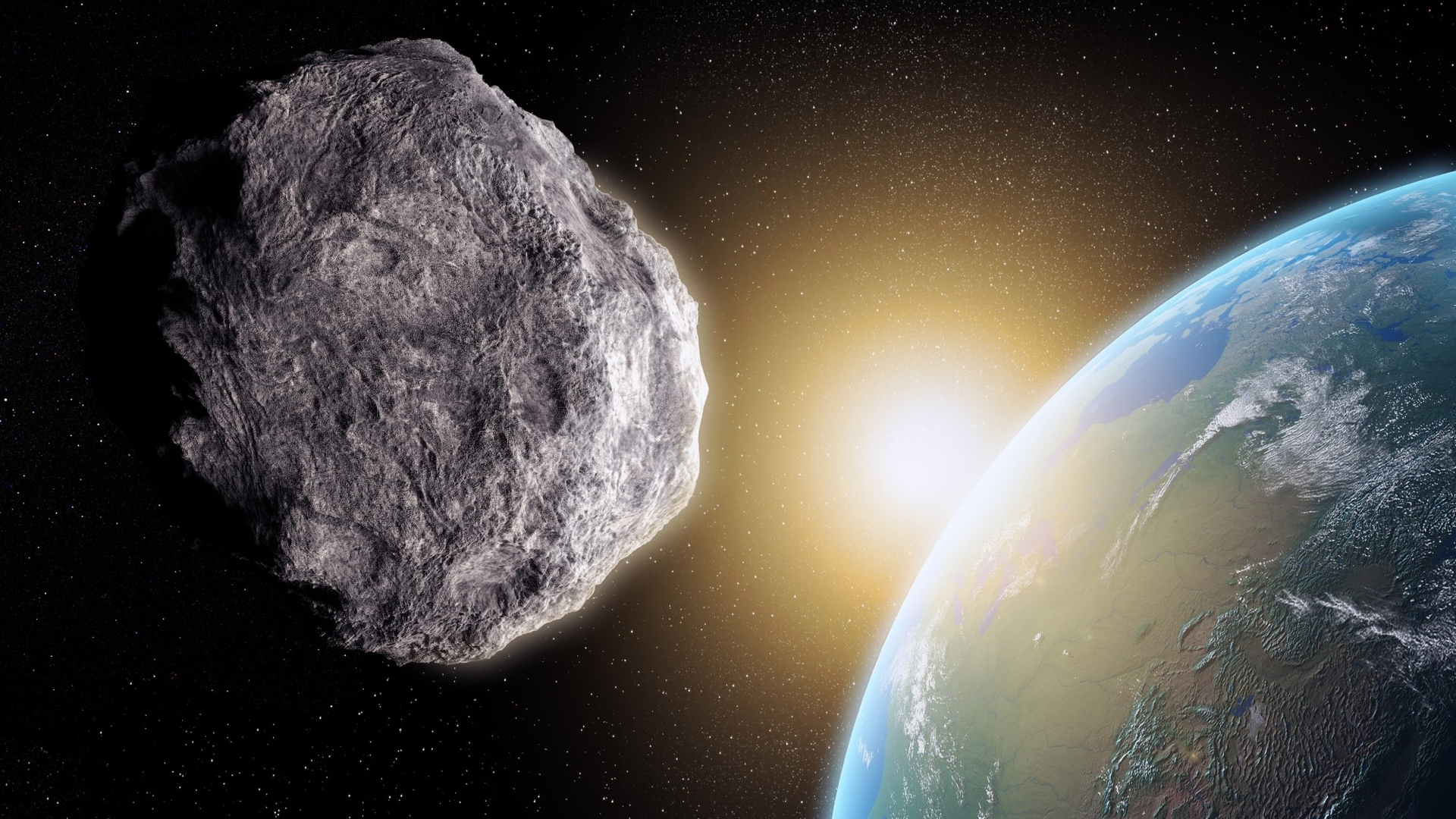
On August 5, 2025, the world witnessed a near-Earth object pass within a safe distance of our planet. Designated asteroid 2025 OT7, the celestial body—roughly 170 feet in diameter—travelled at astonishing speeds but ultimately posed no collision threat, according to NASA.
While the event did not present immediate danger, it served as a timely reminder of the unpredictable nature of space objects and the critical role of early detection systems. OT7 was classified as an Apollo-type asteroid, which intersects Earth’s orbit periodically. Although common, such close approaches continue to galvanise scientific and public attention.
Scientific and Strategic Significance
NASA's Near-Earth Object Observations Program, along with international space agencies, uses radar, optical telescopes, and orbital modelling to track thousands of similar objects. The successful tracking of OT7 underscores growing capabilities in space situational awareness but also reveals vulnerabilities in the current detection net, especially for smaller or fast-moving asteroids.
Historical Precedents and Preparedness
The 2013 Chelyabinsk incident, in which a 66-foot asteroid exploded over Russia injuring over 1,500 people, demonstrated the potential destructive capacity of even small space rocks. OT7’s approach has renewed global discussions on the importance of planetary defence frameworks.
NASA’s DART mission—which successfully altered the trajectory of asteroid Dimorphos in 2022—is part of a broader planetary defence strategy aimed at mitigating future threats. More such missions are under consideration by the European Space Agency (ESA), India’s ISRO, and private space firms.
Policy and Funding Implications
The safe passage of OT7 also has policy consequences. The US Congress and space policy bodies worldwide are pushing for increased budget allocations for planetary defence infrastructure. The growing collaboration between governments, academia, and commercial space ventures is essential to build a responsive space risk mitigation ecosystem.
The Bigger Picture
Beyond immediate scientific interest, this event reaffirms the interconnected nature of planetary defence and space diplomacy. With more than 30,000 NEOs currently catalogued, and many more to be discovered, preparedness is no longer optional—it's a strategic imperative.