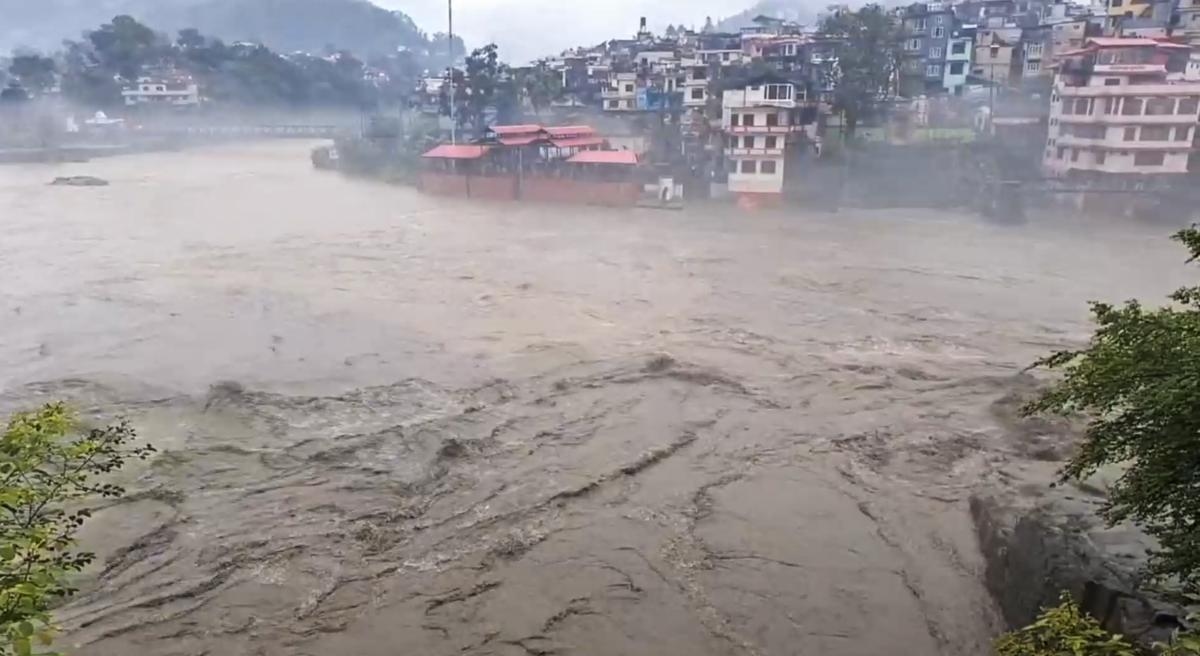
Floodwaters unleashed by China’s record monsoon season have devastated Guangdong Province, particularly affecting Guangzhou and the Pearl River Delta. August rainfall reached its second‑heaviest levels in over a century, leading to widespread flooding, landslides, transport disruption, and a growing disease outbreak.Reuters
Scale of the Disaster & Infrastructure Breakdown
- Guangzhou saw unprecedented rainfall this August, cancelling hundreds of domestic and international flights due to flooded runways and compromised airspace.Reuters
- Landslides struck regions such as Taobao Village near Guangzhou, displacing residents and leaving many unaccounted for.
- Several rivers in the Delta region remain on high alert for potential overflows, straining emergency responders.
Public Health Emergency: Chikungunya on the Rise
- Thousands of chikungunya virus cases have been reported across Guangdong, especially in Foshan.
- Stagnant floodwaters provided breeding grounds for mosquitoes, accelerating viral transmission.Reuters
- Chinese authorities have mobilised more than ¥1 billion (≈ USD 139 million) in relief funds.
- Experts highlight climate change as a crucial factor behind intensifying typhoons and monsoon patterns.Reuters
Economic and Social Consequences
- Agricultural output, e‑commerce distribution, and retail sectors have been severely disrupted.
- Rising consumer prices and logistical bottlenecks compound hardships for local businesses and households.
- Government relief efforts include evacuation operations, medical deployment, and infrastructure rehabilitation.
Driving Forces: Climate Change and Urban Risk
- This crisis aligns with 2024 being recorded as the warmest year since 1850, pushing global warming beyond the 1.5 °C Paris threshold.Reuters
- Urbanisation in flood‑prone areas amplifies vulnerability to extreme weather, underscoring urgent need for climate‑proof urban design.
Outlook
As rainfall persists, further flooding and vector‑borne disease outbreaks are feared. Beyond immediate rescue needs, the event spotlights the global urgency of climate adaptation, infrastructure resilience, and pandemic preparedness.