Aug 06, 2025 News Article

Global Eyes on the Skies: How Satellite Intelligence Is Transforming Global Monitoring

Global Eyes on the Skies: How Satellite Intelligence Is Transforming Global Monitoring

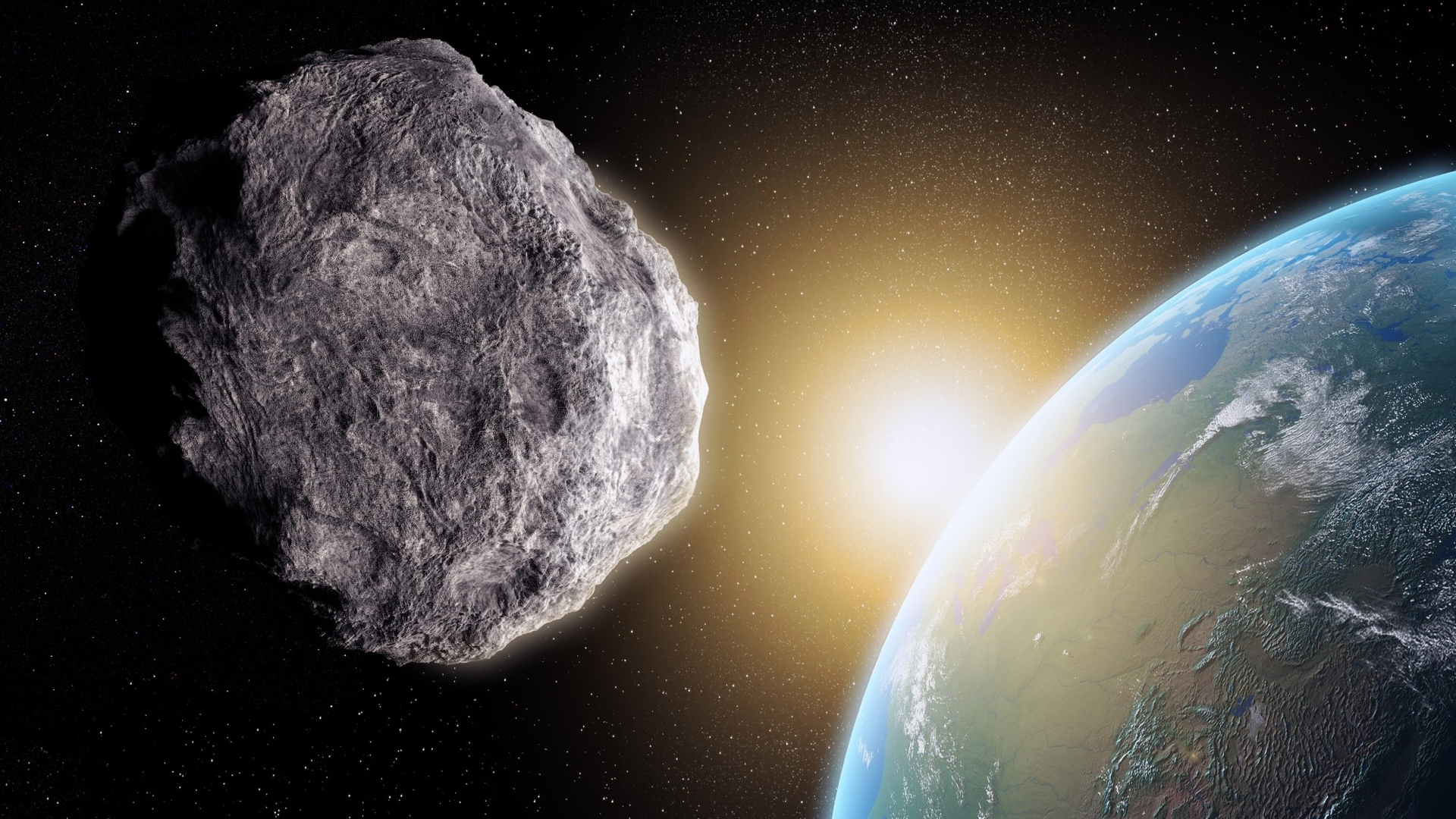
On August 5, 2025, the world witnessed a near-Earth object pass within a safe distance of our planet. Designated asteroid 2025 OT7, the celestial body—roughly 170 feet in diameter—travelled at astonishing speeds but ultimately posed no collision threat, according to NASA.


While the event did not present immediate danger, it served as a timely reminder of the unpredictable nature of space objects and the critical role of early detection systems. OT7 was classified as an Apollo-type asteroid, which intersects Earth’s orbit periodically. Although common, such close approaches continue to galvanise scientific and public attention.


Scientific and Strategic Significance


NASA's Near-Earth Object Observations Program, along with international space agencies, uses radar, optical telescopes, and orbital modelling to track thousands of similar objects. The successful tracking of OT7 underscores growing capabilities in space situational awareness but also reveals vulnerabilities in the current detection net, especially for smaller or fast-moving asteroids.


Historical Precedents and Preparedness


The 2013 Chelyabinsk incident, in which a 66-foot asteroid exploded over Russia injuring over 1,500 people, demonstrated the potential destructive capacity of even small space rocks. OT7’s approach has renewed global discussions on the importance of planetary defence frameworks.

NASA’s DART mission—which successfully altered the trajectory of asteroid Dimorphos in 2022—is part of a broader planetary defence strategy aimed at mitigating future threats. More such missions are under consideration by the European Space Agency (ESA), India’s ISRO, and private space firms.


Policy and Funding Implications


The safe passage of OT7 also has policy consequences. The US Congress and space policy bodies worldwide are pushing for increased budget allocations for planetary defence infrastructure. The growing collaboration between governments, academia, and commercial space ventures is essential to build a responsive space risk mitigation ecosystem.


The Bigger Picture


Beyond immediate scientific interest, this event reaffirms the interconnected nature of planetary defence and space diplomacy. With more than 30,000 NEOs currently catalogued, and many more to be discovered, preparedness is no longer optional—it's a strategic imperative.


Similar Reports

  • Global Microplastic Detection Market Size, Trend & Opportunity Analysis Rep...
  • Global Multi-Function Display Market Size, Trend & Opportunity Analysis Rep...
  • Global Dental Articulators Market Size, Trend & Opportunity Analysis Report...
  • Global Semiconductors Market Size, Trend & Opportunity Analysis Report, By ...
  • Global Surgical Instruments Tracking Systems Market Size, Trend & Opportuni...
  • Global Shampoo Bar Market Size, Trend & Opportunity Analysis Report, by Hai...

Similar Blogs

  • How Generative AI Is Reshaping Industries and Labor Markets Worldwide
  • US Tariffs and the New Trade Order
  • Construction Growth and Energy Efficiency Mandates Are Driving Hot Water Circulator Pump Demand
  • Mother of All Deals”: Decoding the Historic India–European Union Free Trade Agreement
  • Global Ethernet Switching for Storage Networking Market: AI Infrastructure ...
  • The GPU Chip Race Has No Finish Line. Here Is Why That Matters

Similar Newsletter

  • Israel–Iran Escalation Sends Oil Prices Surging: Strait of Hormuz in Crosshairs
  • World Bank Cuts Global Growth Forecast for 2025 to 2.3%: Trade, Debt, and Divergence Shape Outlook
  • Global Crisis Deepens: Southern China Battles Monsoon Flooding, Disease and Infrastructure Collapse
  • Eighty Years After Atomic bombings of Hiroshima and Nagasaki: Remembering t...
  • Trade Tectonics Shift: Trump’s New Tariffs Disrupt Global Supply Chains
  • AI's Power Hunger Is Now a Grid Problem

Latest Articles

Article image

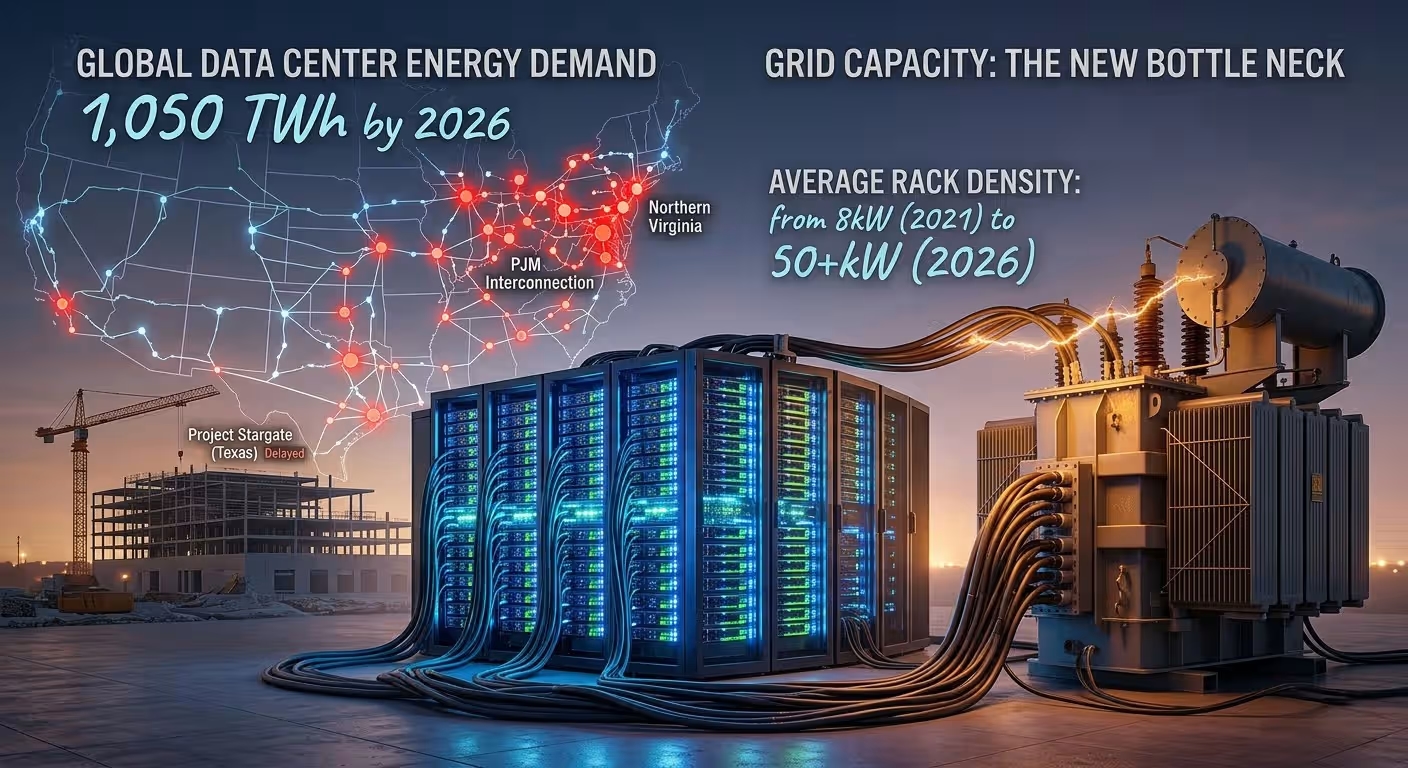
AI's Power Hunger Is Now a Grid Problem

Article image

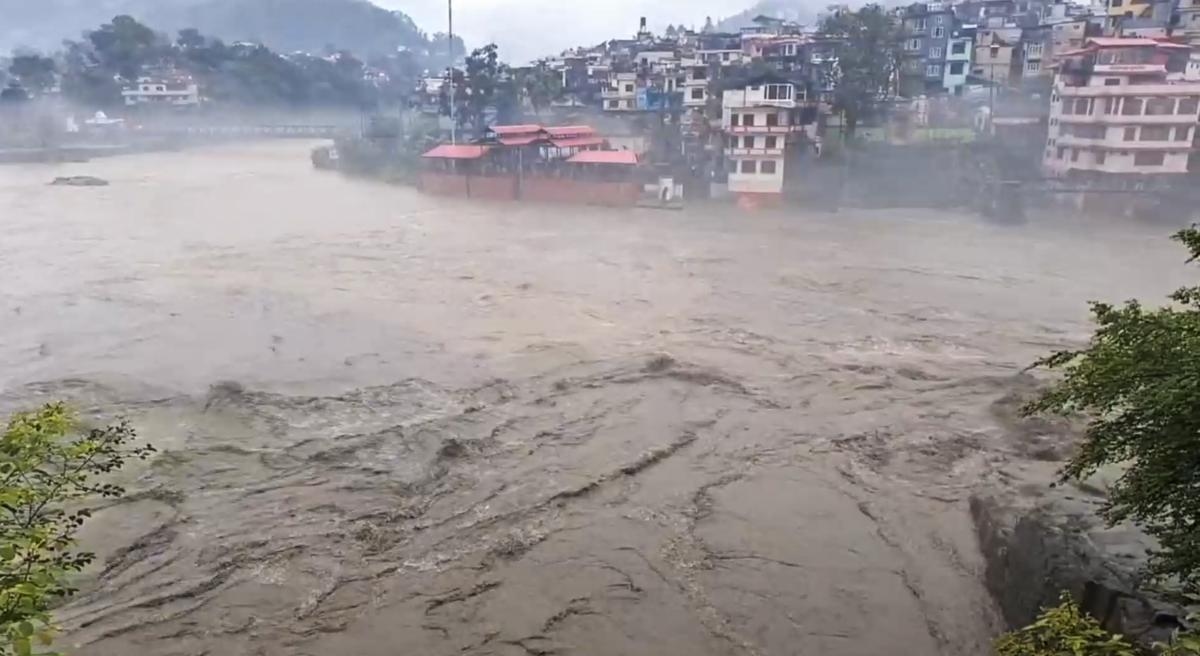
Global Crisis Deepens: Southern China Battles Monsoon Flooding, Disease and Infrastructure Collapse

Article image

Eighty Years After Atomic bombings of Hiroshima and Nagasaki: Remembering the World’s First Nuclear Attack

Kaiso Logo
Location IconOffice 205 N Michigan Ave, Chicago, Illinois 60601, USA
YouTubeInstagramLinkedIn

We Accept

Payment MethodPayment MethodPayment MethodPayment MethodPayment MethodPayment Method

About

  • About us
  • What We Believe
  • Our Mission
  • Blogs & News

Company

  • Privacy Policy
  • Terms & Conditions
  • GDPR Policy
  • Disclaimer
  • Return & Refund Policy
  • Delivery Formats
  • Cookie Policy

Contact Us

  • Request for Consultation
  • Contact Us
  • Career
  • How to Order
  • Become a Reseller
  • FAQs

Contact Detail

Phone icon+1 872 219 0417
Phone icon+91 91835 80078
Email icon[email protected]

Keep in touch

Sign up for emails

Services

    Syndicate Reports
    Custom Report Solutions
    Full Time Engagement Models (FTE)
    Strategic Growth Solutions
    Consulting Services

Industries

    Popular Reports

      Healthcare IT
      Consumer Electronics
      Renewable and Specialty Chemicals
      Engineering, Equipment and Machinery
      Nutraceuticals and Wellness Foods
      Green, Alternative, and Renewable Energy

      Semiconductors
      Electric and Hybrid Vehicles
      Enterprise and Consumer IT Solutions
      Commercial Aviation
      Financial Services

    © 2025 Kaiso Research and Consulting. All Rights Reserved.

    ISO 9001 : 2015

    Privacy PolicyTerms & ConditionsHow to OrderSiteMap
    +1 872 219 0417+91 91835 80078
    [email protected]
    KAISO Logo
    Services
    Dropdown
    Industries
    Dropdown
    Report StoreConsulting Services
    Dropdown
    Blogs & NewsAbout Us
    Dropdown
    Logo
    Search
    Services►
    Industries►
    Report Store
    Consulting Services►
    Blogs & News
    About Us►